Iceland Photography Tips
Iceland is one of the most photographed countries on Earth — and one of the easiest places to come home with disappointing photos. The difference between a snapshot and a portfolio-worthy image almost always comes down to the same three things: timing, light, and the right gear.
This guide breaks down when to visit for the kind of photography you're after, what to pack, and the mistakes most visitors make with their cameras in Iceland's unpredictable conditions.
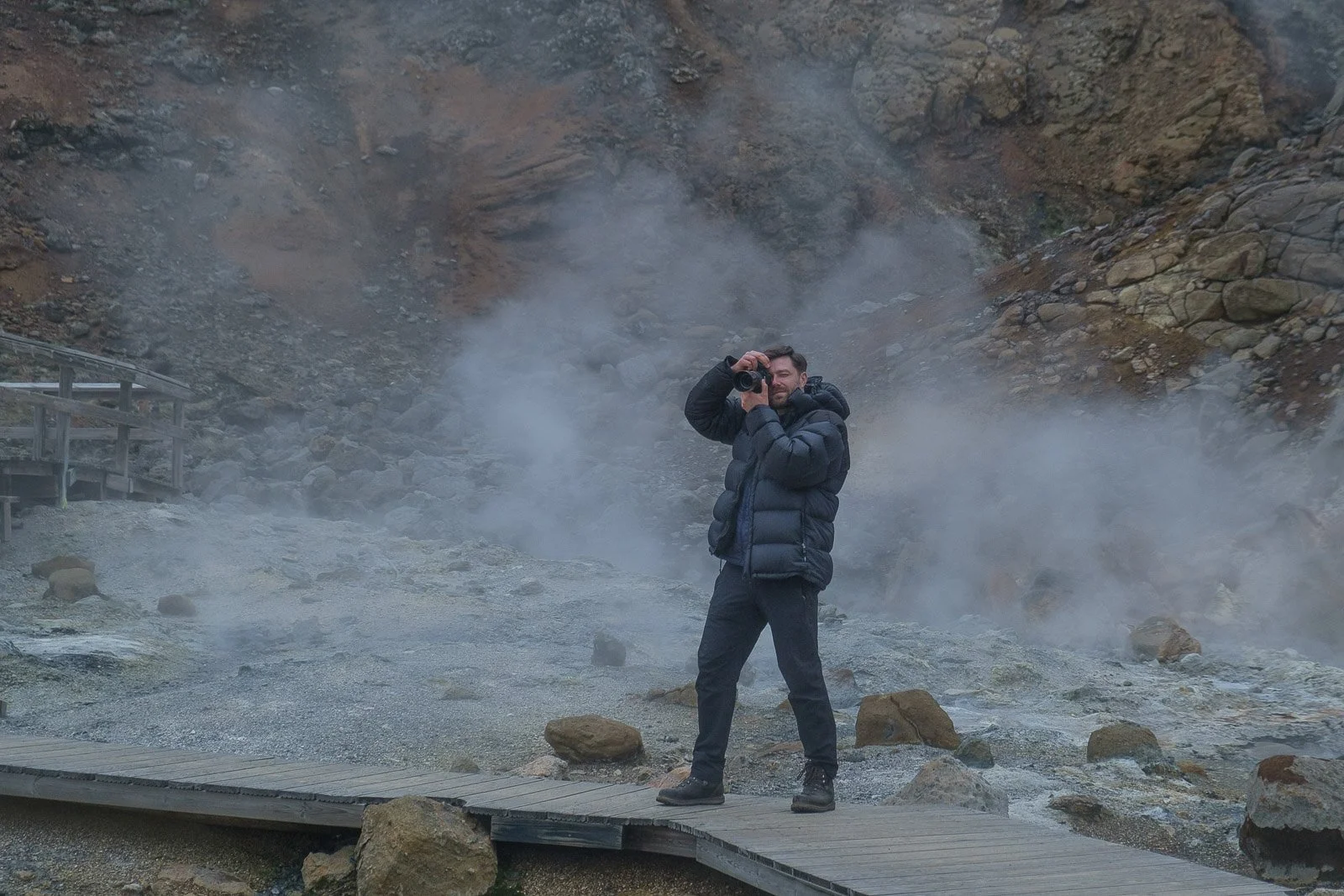
When Should You Visit?
Winter (October–March) is aurora season. Long nights, genuinely dark skies away from Reykjavík, and — when the KP index cooperates — the Northern Lights. It's also when snow transforms the landscape into something closer to black-and-white photography: stark contrast, minimal color, dramatic skies. For a breakdown of specific aurora photography locations and technique, see our Iceland Photography Guide.
Summer (June–August) brings something most photographers never experience elsewhere: nearly 24 hours of daylight. The midnight sun changes how you shoot:
Extended golden hour — instead of a 20-minute window at sunset, soft golden light can last for hours
No rush — with daylight until nearly midnight, there's no pressure to capture everything before dark
Soft, warm tones — the low summer sun angle creates long shadows and warm color casts even at "midday"
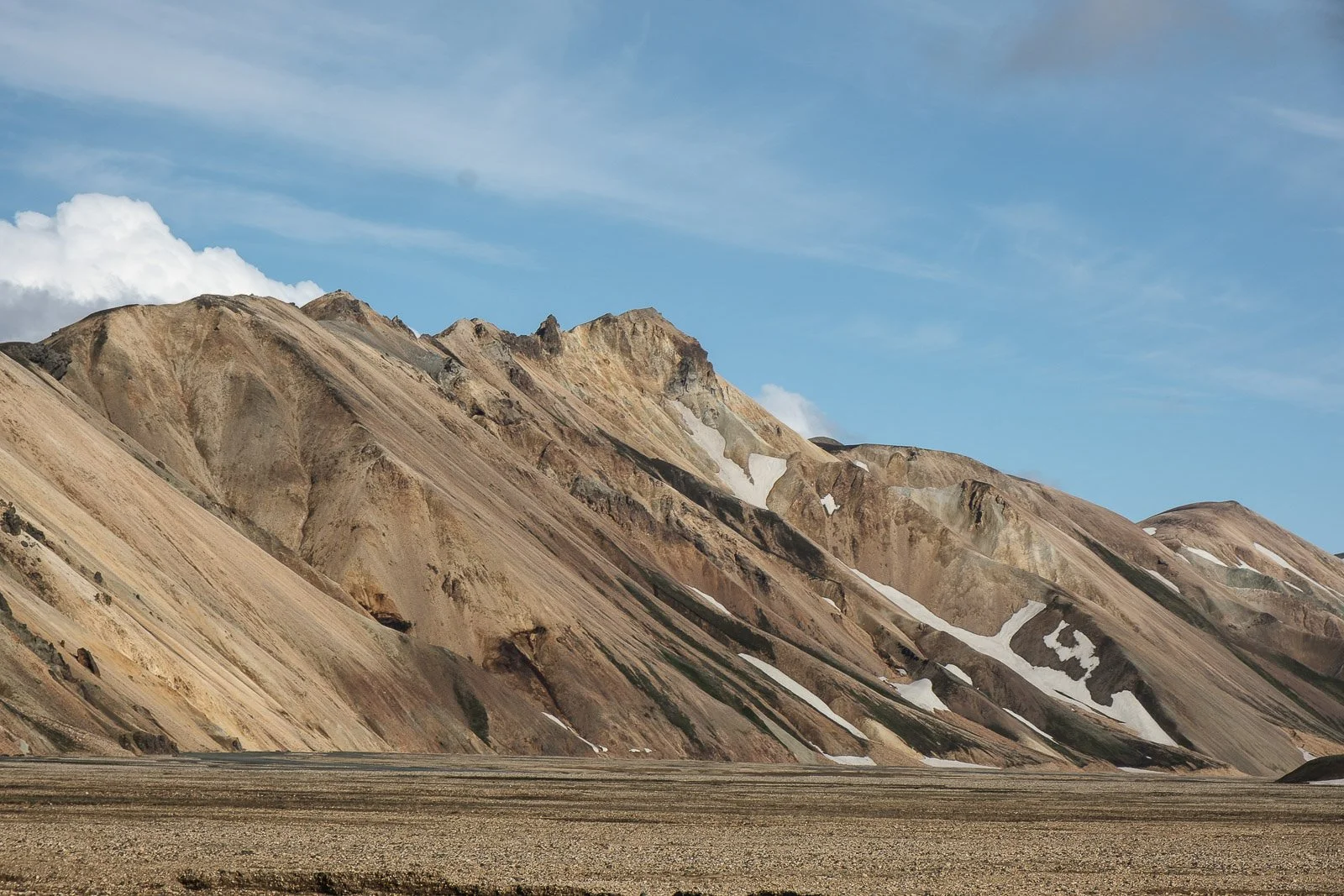
Access to remote areas — many Highland roads only open in summer, unlocking landscapes that are inaccessible the rest of the year
Shoulder seasons (April–May, September) sit between the two: fewer visitors than peak summer, more daylight than winter, and transitional light that shifts fast — useful if you want variety without committing to either extreme.
Why Guided Light-Chasing Beats a Fixed Schedule
Most Iceland itineraries — guided or self-driven — run on a fixed clock: arrive, stop for fifteen minutes, move on. Photography doesn't work on that schedule. The best light rarely lines up with a printed itinerary, and Iceland's weather can shift dramatically within an hour.
The difference between a working photography approach and a sightseeing one usually comes down to:
Arrival timing planned around light, not convenience
Stops that last as long as the shot requires, not a fixed window
Real-time adjustment when weather or cloud cover changes what's actually shootable
Composition and camera-settings guidance on location, not just transportation to it
This is the approach behind every private tour with Luke, a photographer with nearly 20 years photographing Iceland's landscapes.
Essential Camera Gear for Iceland
You don't need professional equipment to get great results, but a few items make a significant difference:
A camera with manual controls — even a basic mirrorless or DSLR outperforms a phone in Iceland's variable light
A polarizing filter — cuts glare on water and intensifies sky color, especially useful at waterfalls
A sturdy tripod — essential for long-exposure waterfall shots, low-light photography, and any aurora work
Lens cloths — Iceland's mist, sea spray, and rain require constant lens cleaning
Extra batteries — cold weather drains batteries fast, especially at night
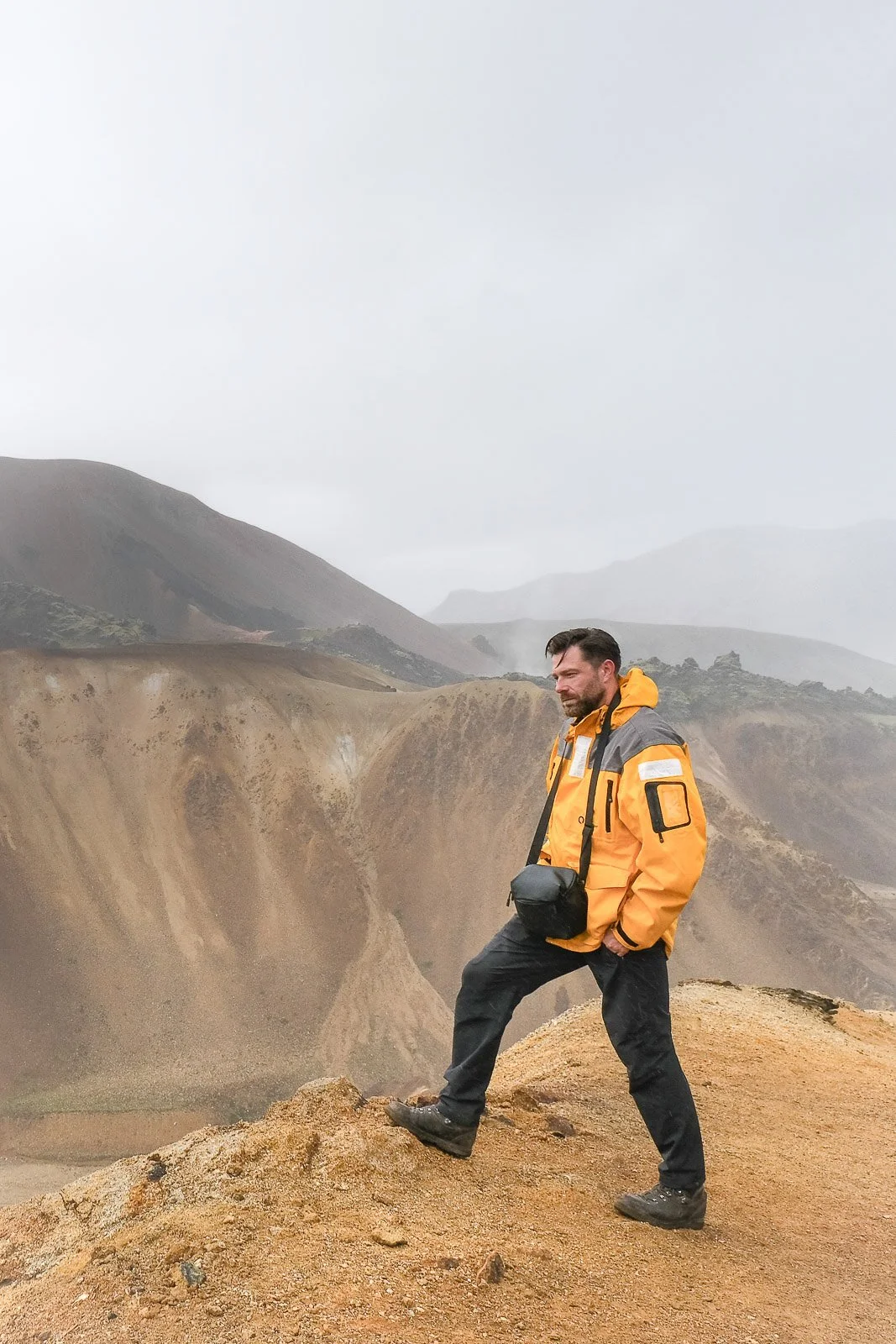
Weatherproof bag or cover — sudden weather changes are the rule here, not the exception
If you're shooting primarily on a phone, that's completely fine — composition and timing matter more than equipment.
Common Mistakes First-Time Photographers Make in Iceland
Sticking to a fixed schedule — the best light rarely matches a printed itinerary
Only shooting famous viewpoints — slightly off the main path often means better compositions and fewer people in frame
Underestimating weather changes — conditions can shift within the hour
Rushing waterfalls — a proper long exposure produces a completely different (and better) result than a quick handheld shot
Skipping golden hour — many fixed-schedule tours operate on hours that miss the best light of the day
Relying on autofocus at night — it almost always fails in near-total darkness; manual focus is essential for aurora and night shots
Planning Your Trip
Whether you're chasing the aurora in winter or the midnight sun in summer, timing and local knowledge make the difference between seeing Iceland and actually capturing it.