Best Time to Photograph Iceland: A Month-by-Month Guide
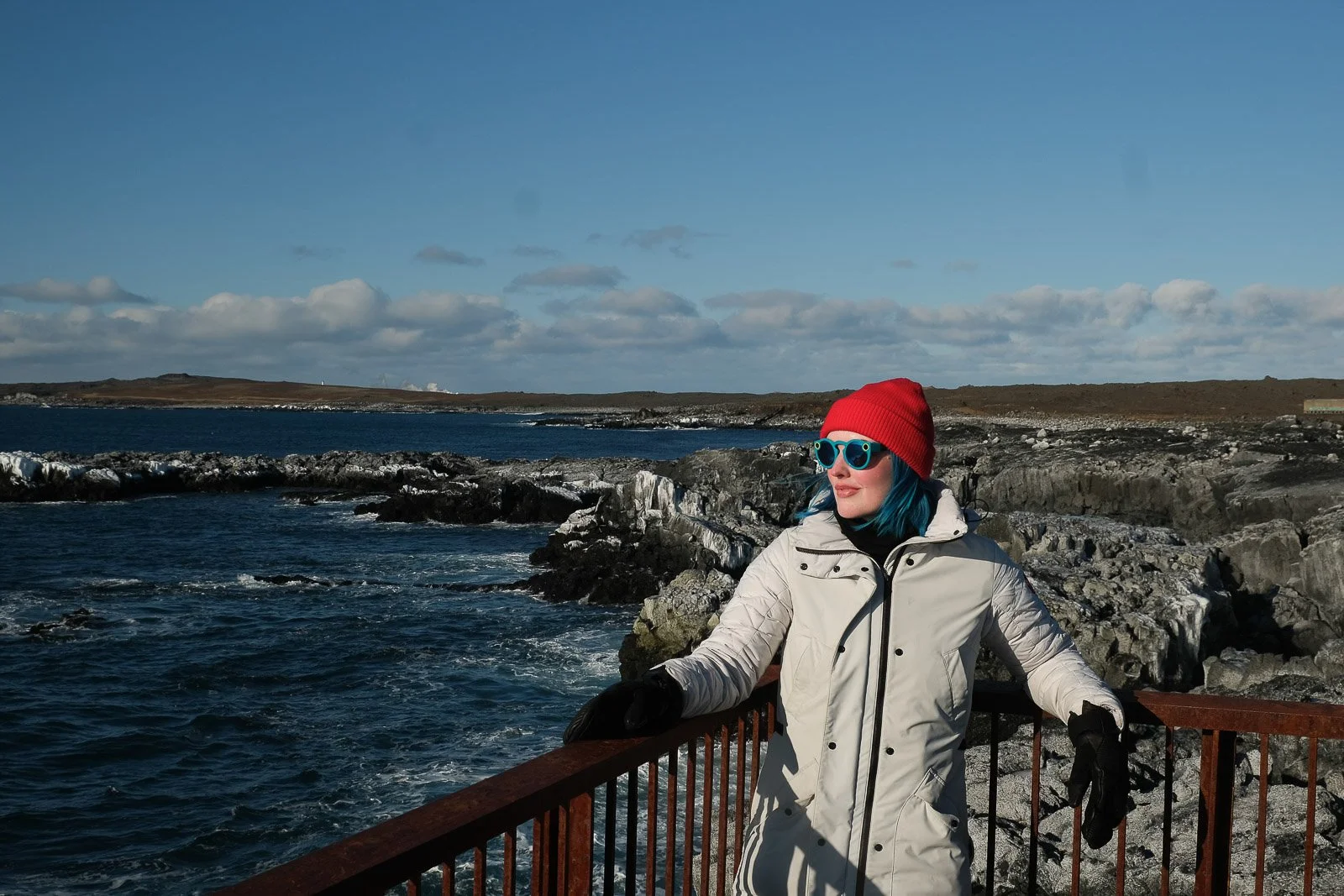
After nearly 20 years photographing Iceland, the question I hear most often is simple: when should I come? The honest answer is that there is no bad time to photograph Iceland, but there absolutely is a best time for the photographs you want to take. Northern lights and ice caves belong to one half of the year; the midnight sun and the highlands belong to the other. This guide breaks it down so you can plan your trip around the light, not around luck.
The short answer
• For northern lights and ice caves: late September to March
• For the midnight sun and 24-hour shooting: June to mid-July
• For the best all-round balance of light, access and fewer crowds: late February–March and September–October
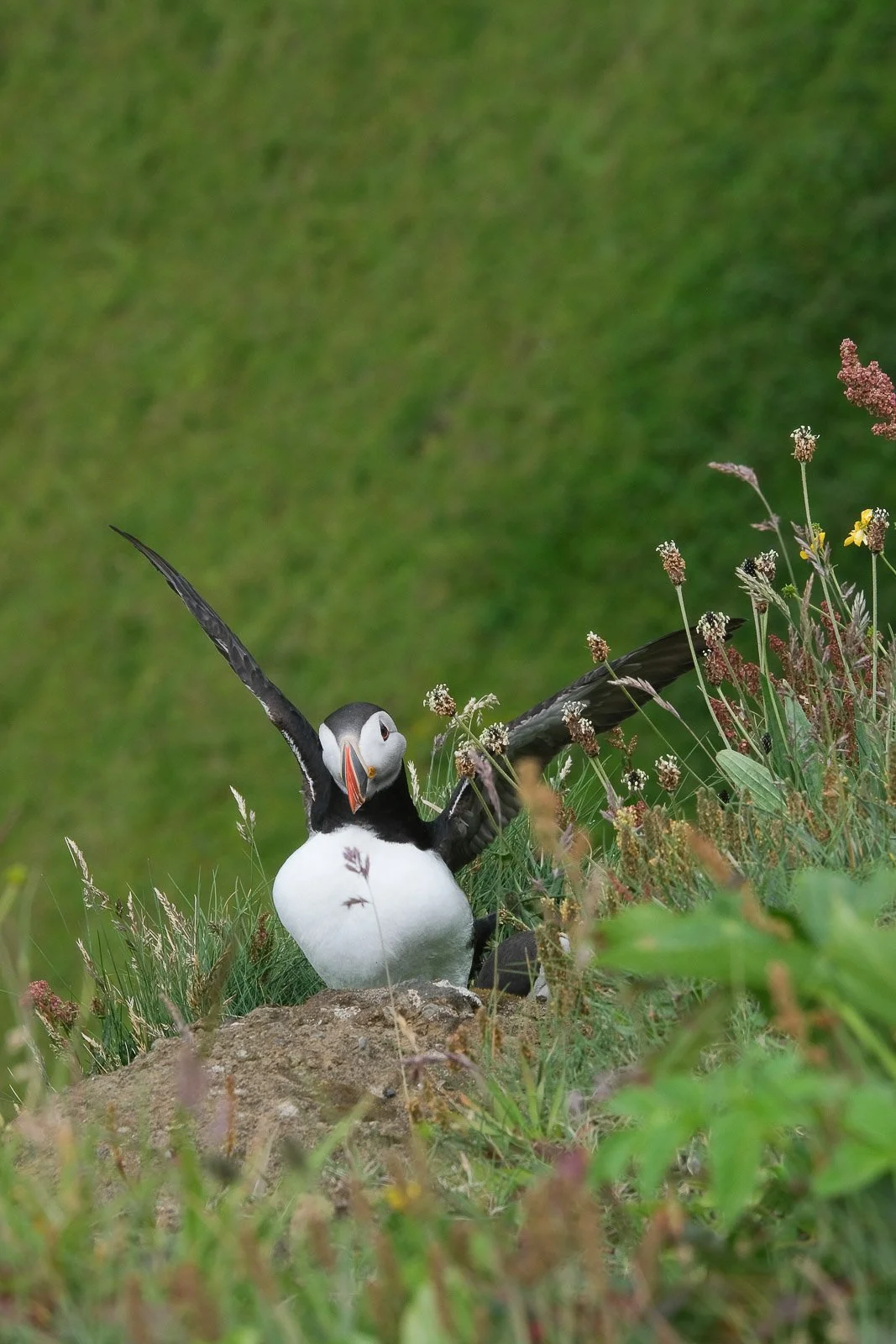
• For puffins: mid-May to early August
If you can only come once, I usually point people to late September or early March: you get workable daylight, real darkness for auroras, and dramatic low sun angles all day long.
Autumn (September – October): auroras meet autumn colour
By early September the nights are properly dark again and the aurora season reopens, while daytime temperatures are still mild and the mountain roads mostly open. The birches and blueberry heath turn red and gold, which against black lava makes a colour combination you won't find anywhere else on earth. October adds the first snow on the peaks while the lowlands keep their colour. If I had to pick one month for a first photography trip to Iceland, late September would win more often than not.
Best for: northern lights with comfortable logistics, autumn colours, dramatic skies.
Winter (November – February): the season of dark gold
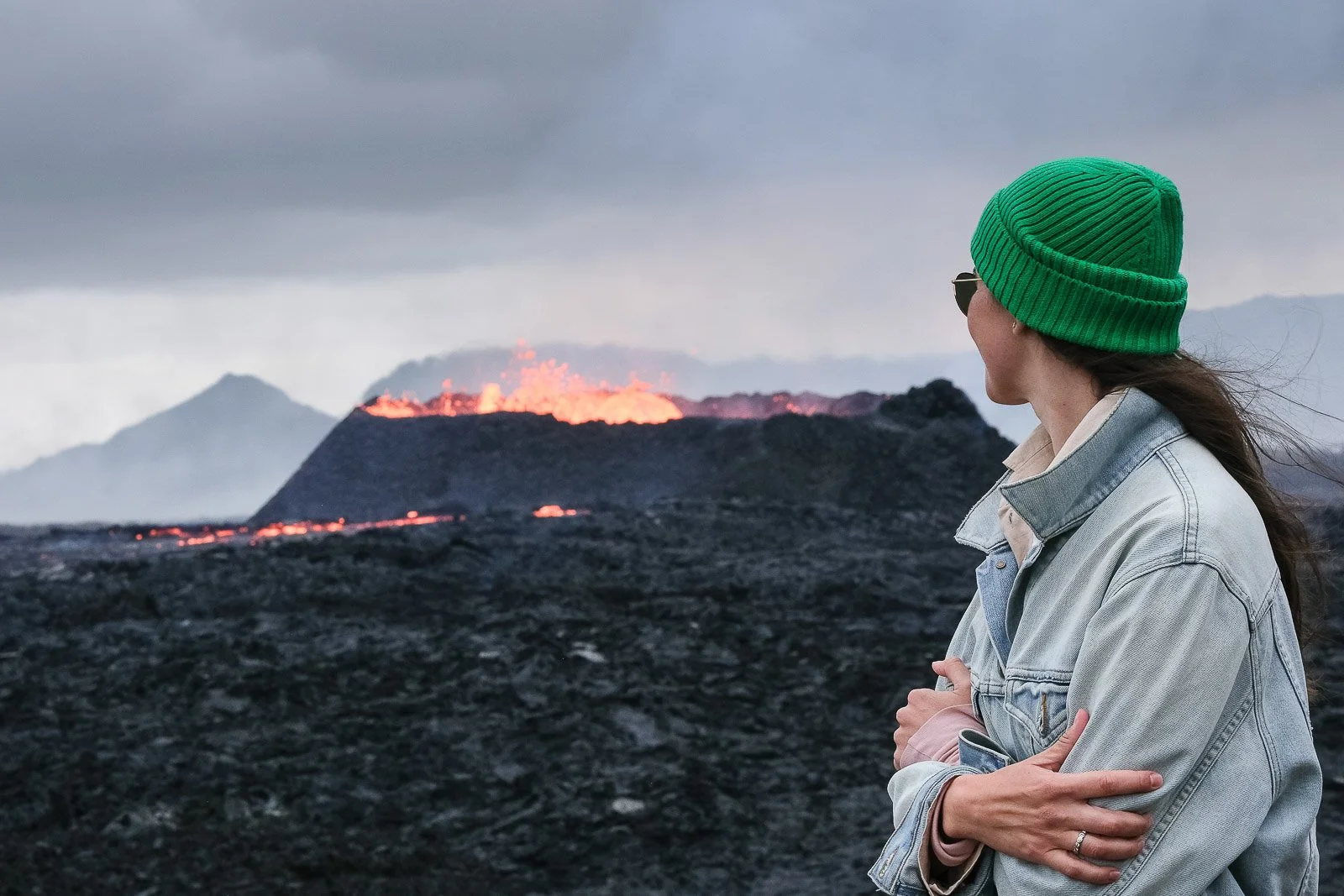
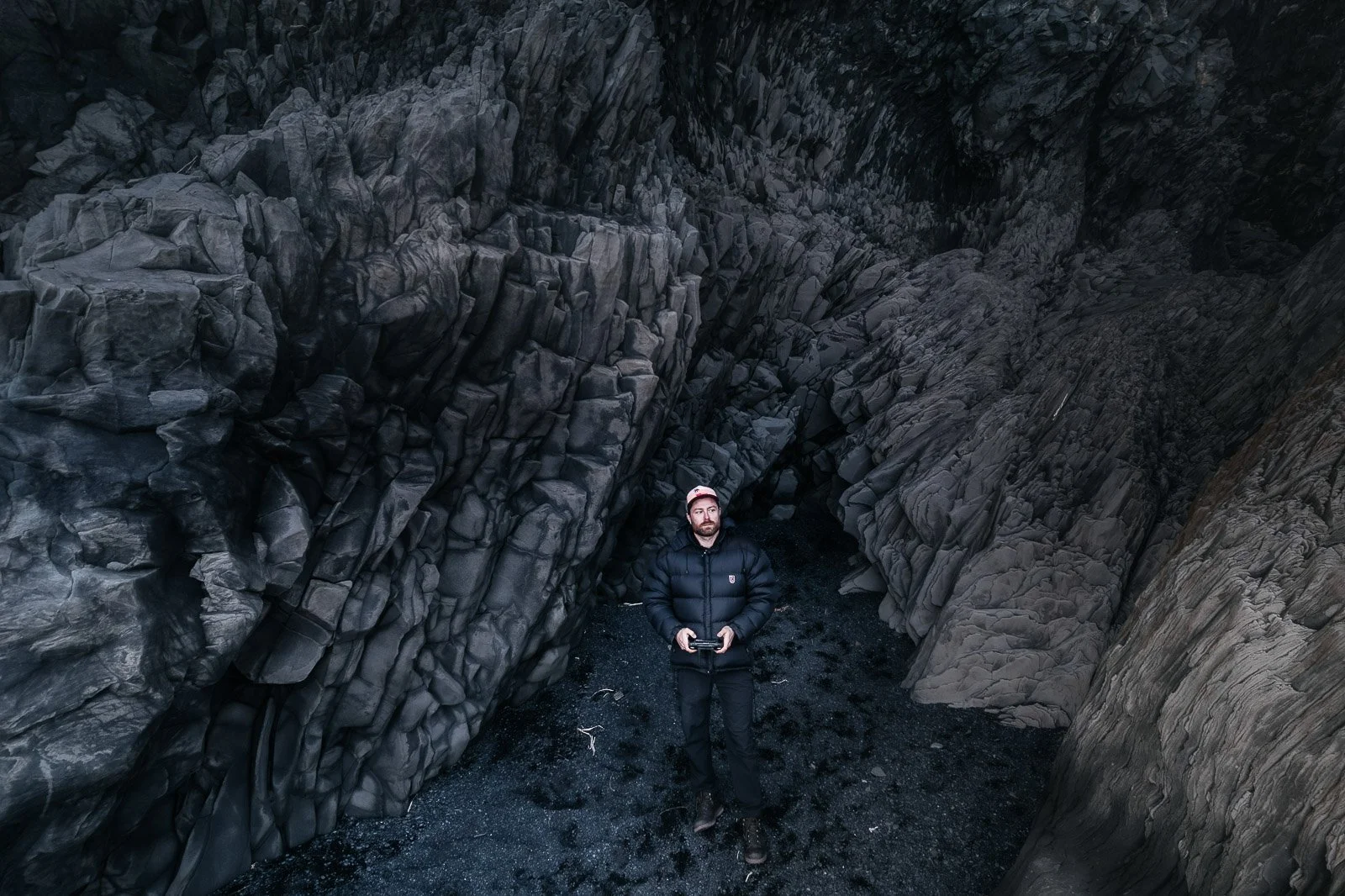
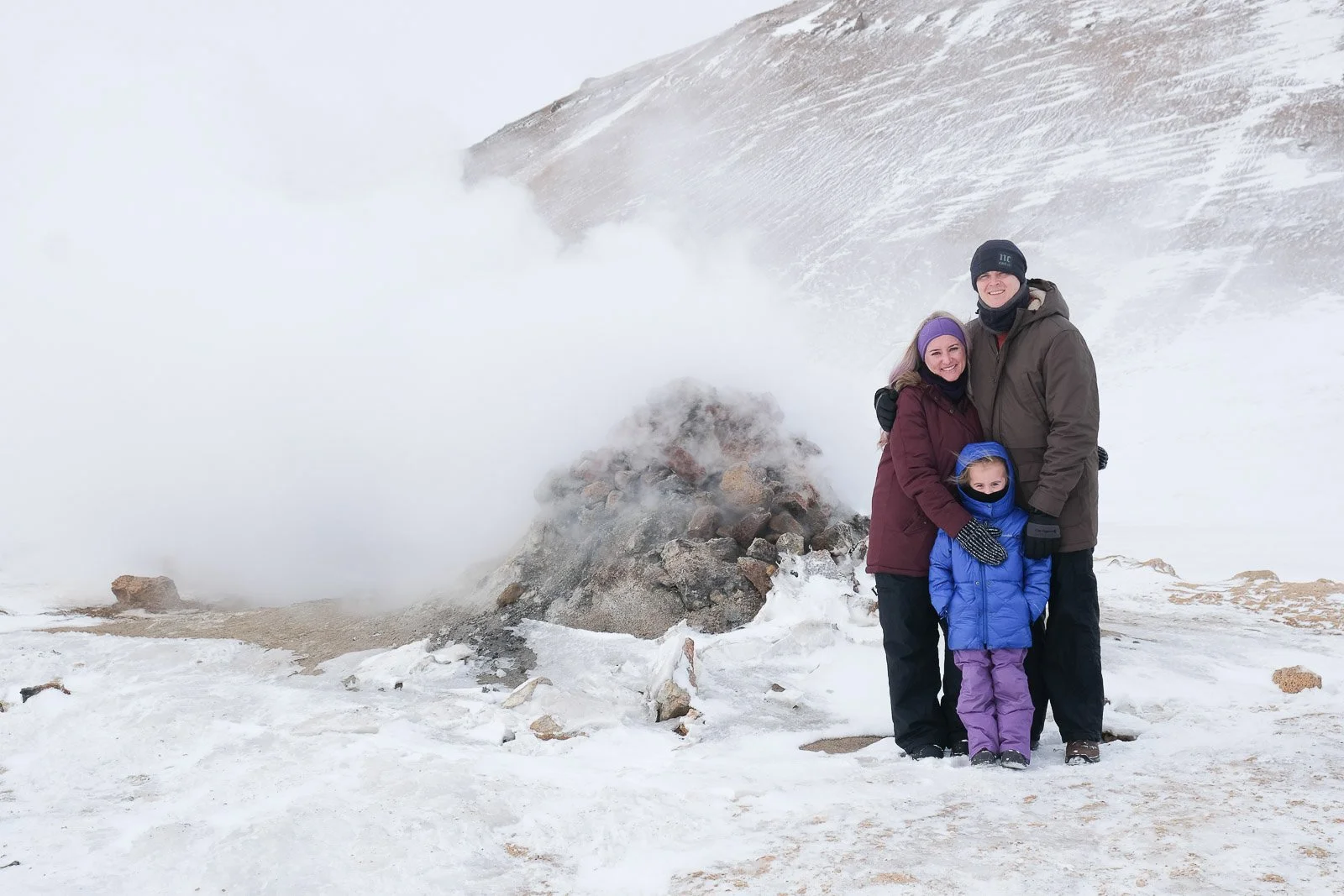
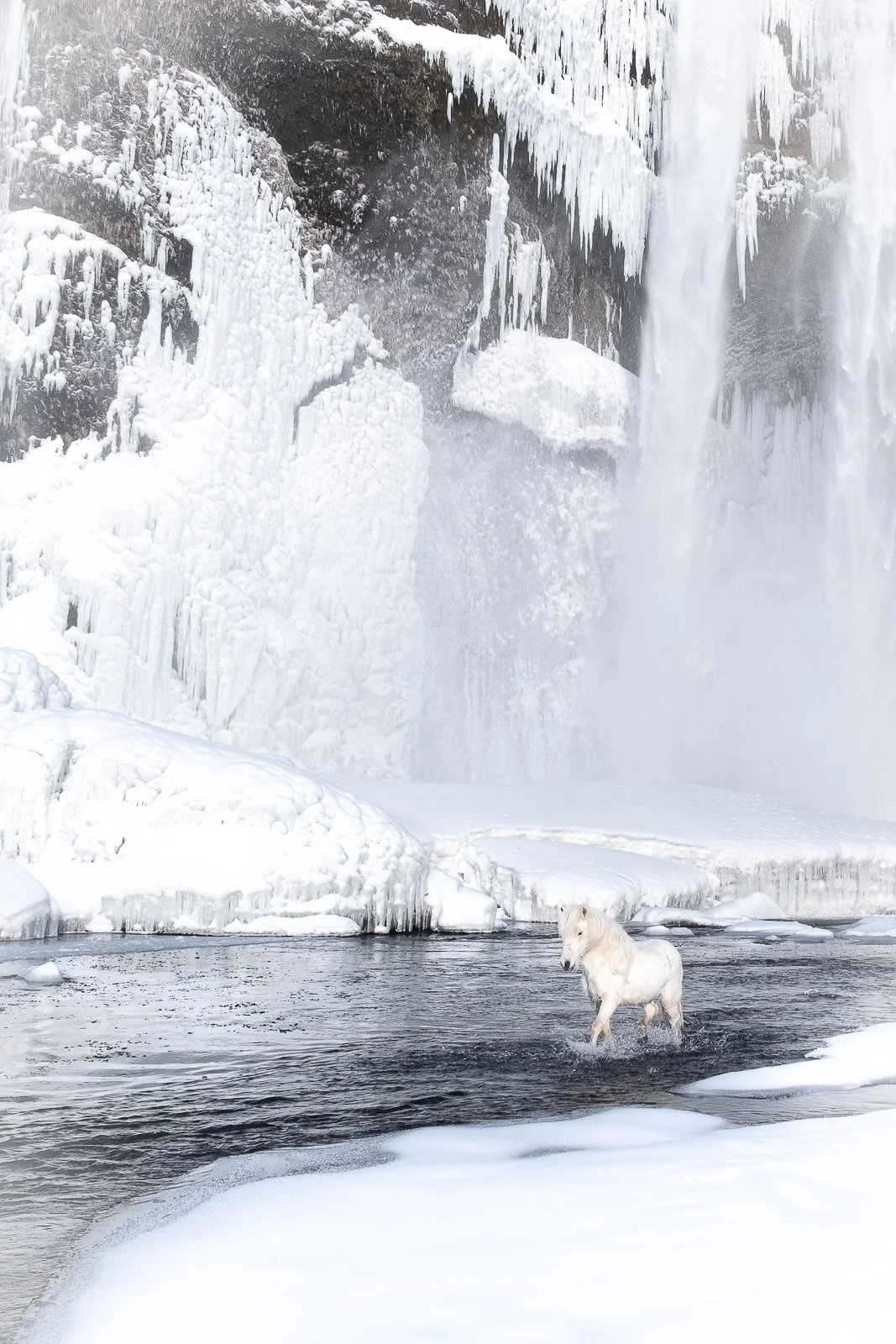
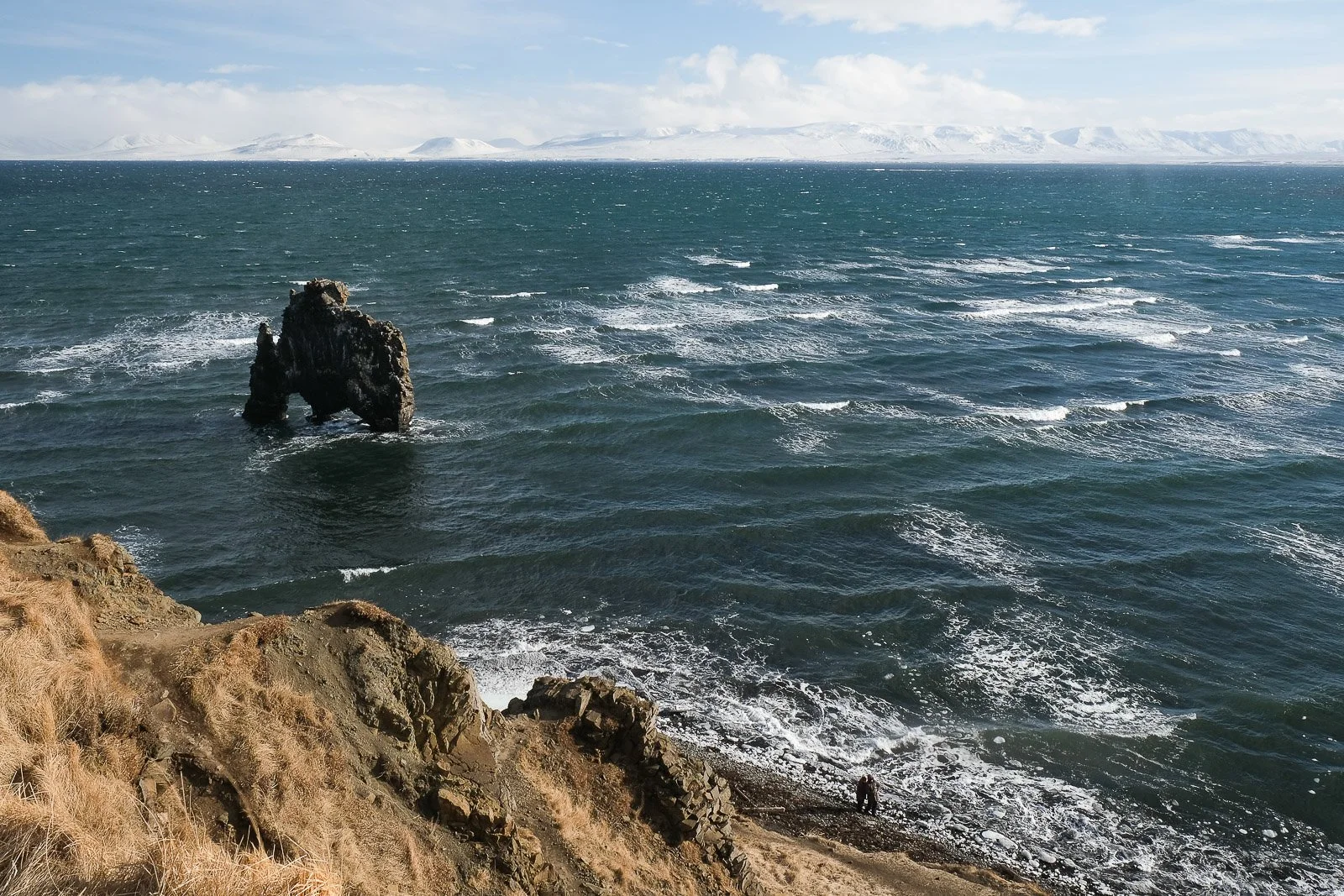
Winter days in Iceland are short, around four to five hours of light in December, but that light is extraordinary. The sun never climbs far above the horizon, which means the whole day is effectively one long golden hour. Frozen waterfalls, black beaches under snow, and the deep blue of glacier ice make this the most atmospheric season of all.
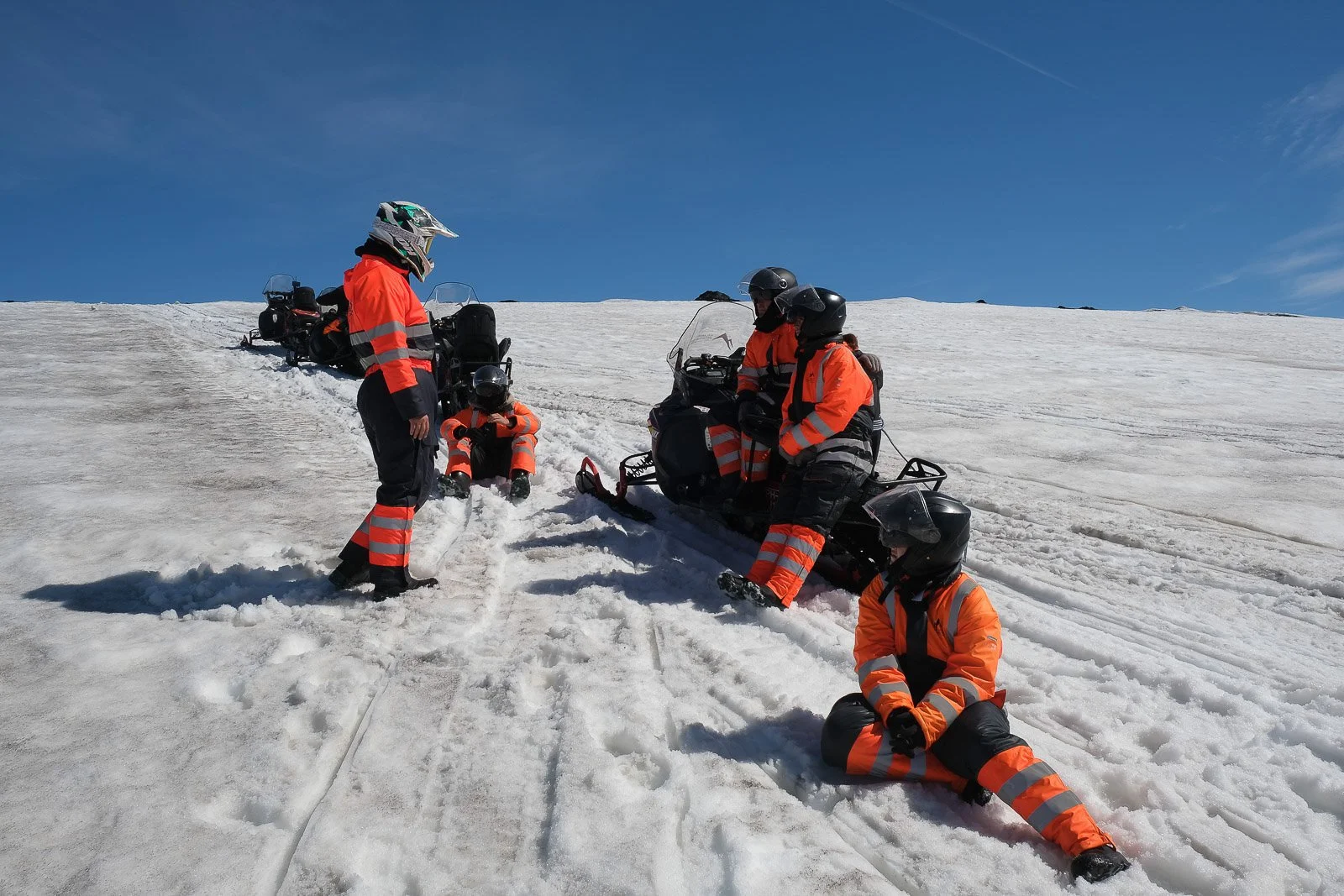
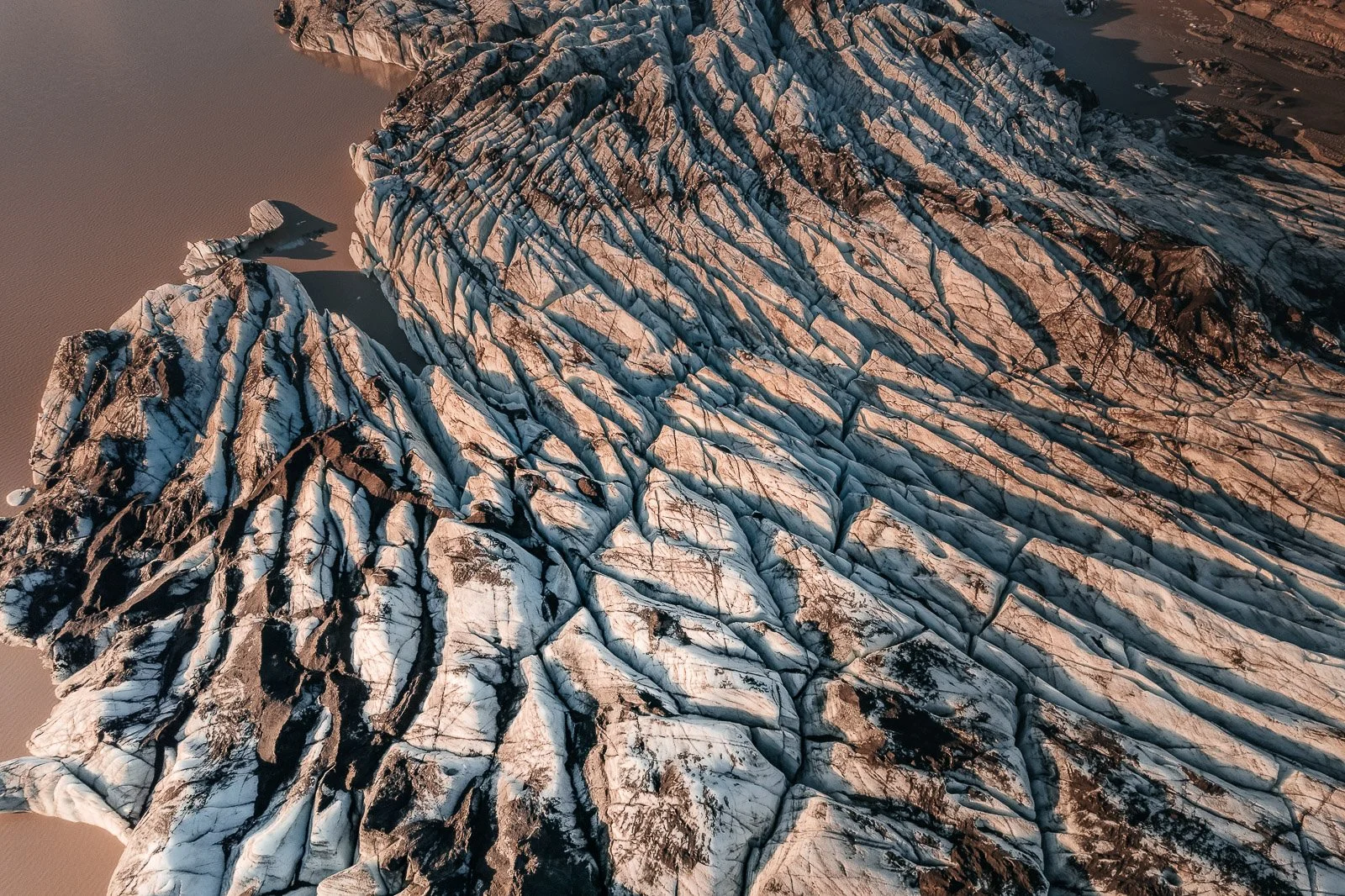
This is also ice cave season: the natural caves under Vatnajökull are only safe and accessible roughly from November to March, and no photograph really prepares you for the blue inside them. The trade-offs are real: weather changes violently and fast, some roads close without warning, and you'll want a local who knows which plans to abandon and when. Shooting days need flexibility built in.
Best for: northern lights, ice caves, frozen waterfalls, moody seascapes.
Spring (March – May): light returns, crowds haven't
Spring is Iceland's most underrated season for photography. Daylight grows fast, by late March you have twelve hours of usable light with the sun still staying low enough for long, warm evenings. Waterfalls are at their most powerful with the melt, the last auroras of the season are still possible into early April, and the puffins return to the cliffs in mid-May.
March in particular is a personal favourite: winter landscapes with spring logistics.
Best for: waterfalls at full force, puffins (from May), late-season auroras, quiet locations.
Summer (June – mid-August): the midnight sun
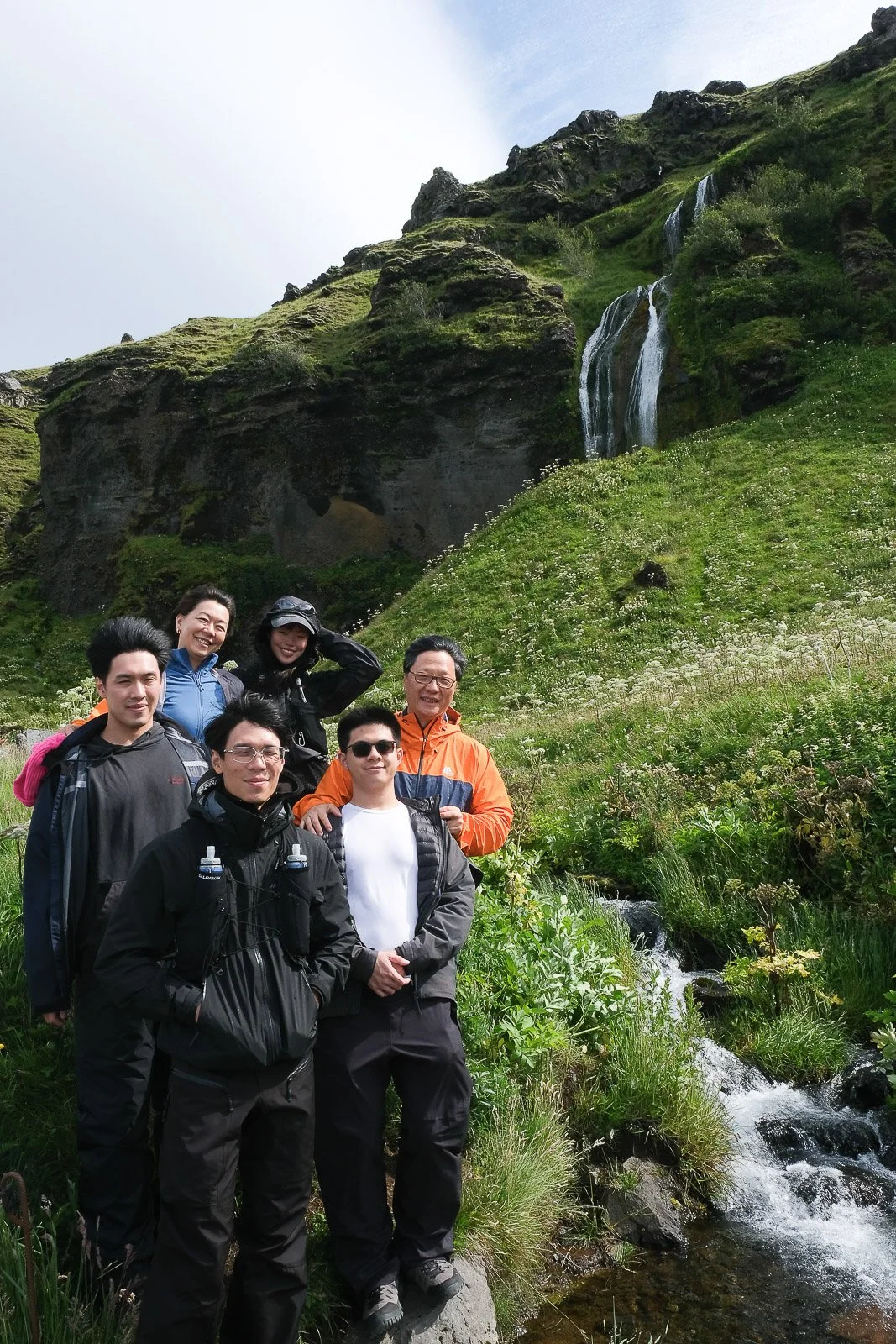
From roughly the first week of June to mid-July, the sun barely sets. Golden hour stretches from about 10 pm to 1 am, and you can shoot in soft, directional light in the middle of the “night” with nobody else around. This is also the only season when the highland interior opens, Landmannalaugar's rhyolite mountains and the black deserts of the interior are summer-only territory.
What you give up is darkness: there are no northern lights in summer, full stop. And the popular south coast locations get busy in the middle of the day, which matters less than you'd think, because the best light is at midnight anyway.
Best for: the highlands, midnight-sun seascapes, lupine fields (June), 20-hour shooting days.
Month by month at a glance
| Month | Daylight | Auroras | Highlights |
|---|---|---|---|
| January | 4–7 h | ★★★ | Ice caves, low golden light all day |
| February | 7–10 h | ★★★ | Ice caves, winter seascapes |
| March | 10–13 h | ★★★ | Winter looks + easier travel |
| April | 13–16 h | ★ | Powerful waterfalls, last auroras |
| May | 16–20 h | — | Puffins arrive, green returns |
| June | 20–21 h | — | Midnight sun, lupines, highlands open |
| July | 18–21 h | — | Highlands at their best |
| August | 15–18 h | ★ (late) | Warm light, auroras return late month |
| September | 11–14 h | ★★★ | Autumn colour + dark skies |
| October | 8–11 h | ★★★ | First snow, full aurora season |
| November | 5–8 h | ★★★ | Ice caves open, deep winter light |
| December | 4–5 h | ★★★ | Shortest days, longest golden hour |
What about the northern lights, exactly?
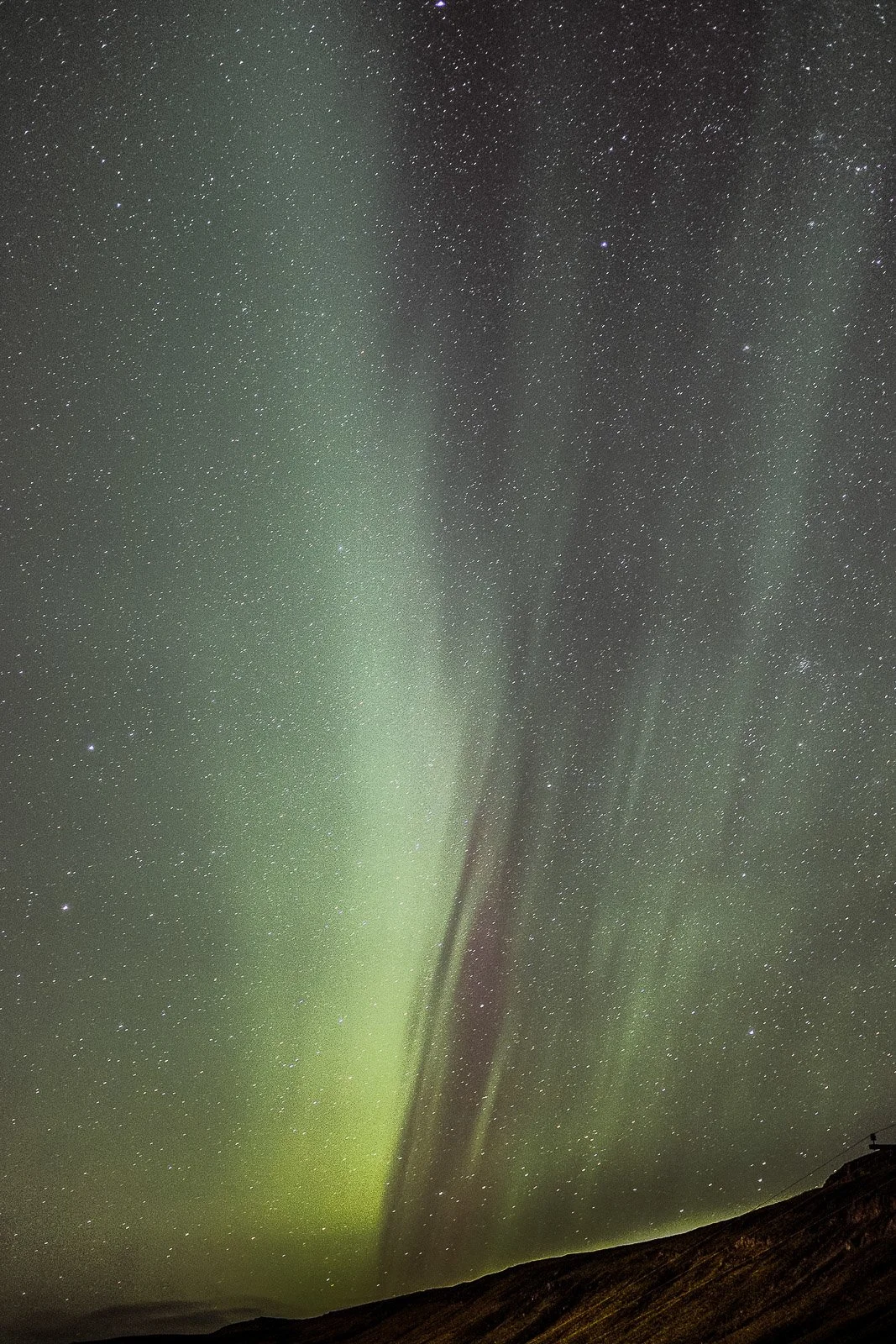
Three things need to line up: darkness (September–March), clear skies, and solar activity. You can't control
the last two — which is why aurora photography in Iceland is a game of mobility. The photographers who go
home with the shot are the ones who can drive out from under the cloud, sometimes two hours in the “wrong”
direction. Local knowledge of microclimates matters more than any forecast app.
Frequently asked questions
-
For a first trip: late September, for the combination of auroras, autumn colour and manageable weather. For second trip: February–March for ice caves, or June for the highlands.
-
Absolutely — the midnight sun gives you more shootable golden light in one night than most places offer in a week, and it's the only window for the highland interior.
-
November and early December, and again in April–May. Both offer excellent photography with the locations largely to yourself.
-
You can self-drive much of the ring road. Where a local guide changes everything is timing and weather: knowing which side of a mountain has clear sky tonight, when the light will hit a canyon wall, and which “famous” spot to skip for the better one ten minutes away.
Ready to put this into practice?
See our Iceland photography tours, built around the light, all skill levels welcome. Or keep reading: Iceland Photography Tips: Best Season, Light & Gea.